
Uncategorized
Understanding Budget-Friendly eSIM Options
Affordable eSIM Plans for Cost-Conscious Travelers
Running low on data while traveling? A cheap eSIM plan lets you grab a local data package online before you even land. It works by scanning a simple QR code to activate instantly, saving you the hassle of swapping physical SIM cards. These budget-friendly plans give you affordable connectivity without any hidden fees, so you can stay online and share your trip without breaking the bank.
Understanding Budget-Friendly eSIM Options
Understanding budget-friendly eSIM options starts with knowing what “cheap esim plans” actually cover. Many travelers overlook data-only packages, which cut costs by excluding call minutes or SMS. Budget-friendly eSIM options often use regional or multi-country plans instead of separate purchases for each destination, slashing overall expenses. You should also watch for promotional “starter” plans with limited high-speed data, then automatic throttling—these are among the cheapest if you stream or map only occasionally. Comparing per-gigabyte prices across providers like Airalo, Holafly, or local operators reveals that cheap esim plans aren’t all equal; some offer rollover data or longer validity periods. Stick to providers with clear refund policies, as mistakes happen when selecting the wrong region size. Ultimately, realistic expectations about coverage and speed will save you from overspending on unnecessary extras.
What Makes an eSIM Plan Affordable
Affordability in an eSIM plan is primarily determined by data allocation versus price per gigabyte. Cheap plans achieve low costs by offering smaller data caps—often 1–5GB—perfect for light travelers. They frequently rely on regional or country-specific networks rather than global roaming, cutting intermediary fees. Plans with strict validity limits (e.g., 7–15 days) avoid overage charges by design, as they expire before excess use accrues. Additionally, choosing a plan without voice minutes or SMS removes unnecessary overhead, steering the price directly toward the data you actually need.
How eSIMs Slash Roaming Costs
eSIMs slash roaming costs by enabling travelers to instantly purchase and activate local or regional data plans directly on their device, bypassing their home carrier’s exorbitant international rates. Instead of paying per-megabyte fees, users access competitive, prepaid local market pricing. This eliminates physical SIM swapping and the need for multiple carrier contracts. Direct local network access is the core mechanism for cost reduction.
- Compare and purchase low-cost regional eSIM plans from global providers before departure.
- Install a dedicated travel eSIM for a specific destination, keeping your primary line inactive.
- Switch between budget-friendly data packages from different providers without any physical logistics or termination fees.
Key Differences Between Prepaid and Monthly Budget eSIMs
The core fork between prepaid and monthly budget eSIMs is payment flexibility versus data reliability. With prepaid eSIMs, you pay a flat fee upfront for a set data bucket that expires after a specific period, making them ideal for short-term travel or light data users. Monthly budget eSIMs operate on a subscription that auto-renews, providing consistent, unlimited, or high-capacity data at a fixed price but requiring a commitment. Choosing prepaid avoids surprise charges, while monthly plans offer predictable spending. The sequence is clear:
- Assess your travel length and data needs.
- Select prepaid for one-time trips or monthly for continuous usage.
- Activate and manage via app profile, not physical card.
Top Global eSIM Providers for Frugal Travelers
For frugal travelers, top global eSIM providers offering cheap eSIM plans include Airalo, which provides low-cost regional bundles, and Nomad, known for budget-friendly “light” data packs. Yesim is ideal for ultra-low budgets, offering pay-as-you-go rates that avoid waste. A key tip: always select a regional or global plan over multiple single-country eSIMs to maximize savings.
Dual-SIM phones allow you to keep your home SIM active for calls while using the cheapest data-only eSIM from these providers, often for under $5 per gigabyte.
Prioritize providers like Holafly that include unlimited data at a fixed low rate for short trips, but ensure your device is eSIM-compatible before purchasing any cheap plan.
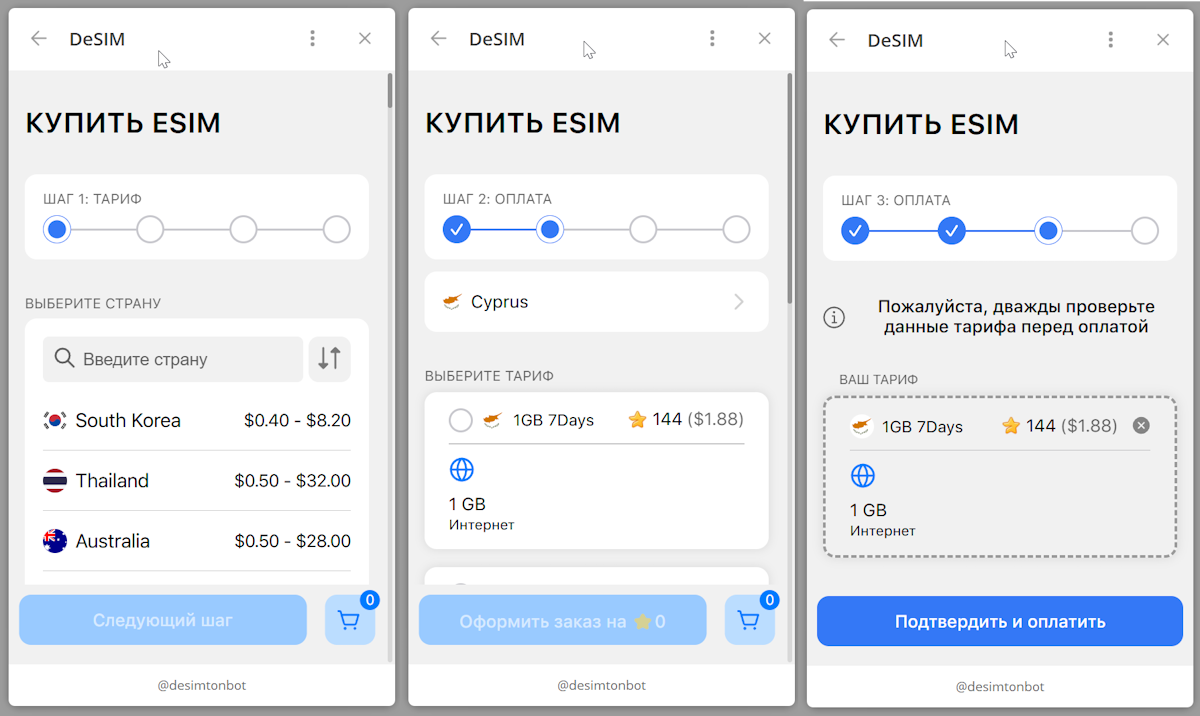
Airalo: Regional Data Packs Under $10
For frugal travelers hunting for cheap eSIM plans, Airalo’s regional packs under $10 are a game-changer. Instead of buying separate plans for each country, you get one affordable data bundle covering multiple destinations, like Europe or Asia. For example, a 1 GB Asia regional pack often costs just $5, activating instantly in 15+ countries. This eliminates roaming fees and local SIM hunts. Q: How do Airalo’s $10 regional packs compare to single-country options? A: They’re cheaper per gigabyte and far more convenient if you cross borders—one QR code covers your whole trip, saving money and hassle.
Holafly: Unlimited Data Without Break the Bank

For thrifty travelers, Holafly delivers on its promise of unlimited data without breaking the bank. Instead of hunting for local SIMs or risking overage fees, you get a single eSIM with pure data—no throttling on major destinations like Europe, Asia, or the Americas. Prices often start under $20 for a week, making it a no-brainer for budget-conscious adventurers. Just install before your trip, and you’re online for maps, messages, and uploads without stressing over your balance.
Holafly gives you unlimited data at a wallet-friendly price, so you can roam freely without hidden fees.”
Ubigi: Low-Cost Plans for Short Trips
Ubigi delivers low-cost plans for short trips by offering flexible data packs lasting 1 to 30 days, ideal for budget-conscious travelers needing connectivity without commitment. For a weekend jaunt, a 1 GB, 7-day plan often costs under $5, while a 10 GB, 30-day option remains affordable for longer yet brief stays. Activation requires scanning a QR code before departure, ensuring immediate use upon arrival. To secure the cheapest rate, follow this sequence:
- Check Ubigi’s app or website for destination-specific short-duration packs.
- Select the data amount matching your trip’s duration—avoid overbuying.
- Complete payment and install the eSIM profile before traveling.
This structure keeps costs as low as possible for quick getaways.
Nomad eSIM: Pay-As-You-Go Value
For frugal travelers, Nomad’s Pay-As-You-Go value lies in its top-up flexibility, allowing you to buy small, cheap eSIM data add-ons only when needed without committing to a recurring plan. This model is ideal for unpredictable itineraries, as you can purchase a 1GB regional pack for a short layover or a larger local package for a longer stay. There are no hidden daily fees, and leftover data rolls over if you top up before expiry, maximizing budget-friendly data control.
Q: Does Nomad’s Pay-As-You-Go automatically renew?
A: No—it only consumes purchased data until the pack expires, then stops, so you never accidentally overpay for unused gigabytes.
Finding the Best Value by Region
Finding the best value by region for cheap eSIM plans requires prioritizing local operators over global roaming bundles. In Europe, look for regional plans covering multiple countries under a single price cap from smaller carriers like Orange or Three. For Asia, buy a local plan directly from providers like Hong Kong’s CMHK or Japan’s IIJmio, as they often undercut global aggregators. Always compare per-GB cost against your trip duration, as a cheaper per-GB rate is worthless if you overbuy. A single-region plan from a local reseller can halve your data cost compared to a worldwide package for the same coverage. In Latin America, avoid US-centric providers and instead bundle via regional carriers like Claro. For multi-country travel within one area, a targeted sub-regional eSIM plan is usually the cheapest per GB.
Europe: Multi-Country Passes for Less
For European travel, multi-country eSIM passes slash costs by letting one plan cover France, Italy, and Spain without separate purchases. You often get 10–20 GB valid across 30+ countries for under $20, ideal for hopping borders. Check if your pass includes Switzerland or the UK, as their networks sometimes sit outside standard “Europe” zones. Most plans activate instantly upon arrival and run on local 4G/5G networks, so you avoid roaming extortion.
Multi-country eSIM passes give you one low-price data bucket for the entire trip, swapping SIMs and fees across borders.
Asia: Local eSIMs Starting at $2
For the budget-conscious traveler, Asia’s local eSIMs starting at $2 unlock huge savings. You can snag a 1GB, 7-day plan for Japan or a 3GB, 30-day plan for Thailand for just a couple of dollars. These regional deals beat global roaming or pricey international passes, letting you jump straight onto high-speed local networks upon arrival. No physical SIM hunting, just instant connectivity for pennies a day.

- Snap up a 1GB, 7-day Japanese eSIM for as little as $2 for quick city trips.
- Get 3GB of data in Thailand lasting a full month for under $5, perfect for longer stays.
- South Korea and Singapore offer similar budget plans, often with 5G access from the start.
North America: Affordable Weekend Data Plans
For budget-conscious travelers in the U.S. and Canada, affordable weekend eSIM plans offer a pragmatic solution to avoid full-week data costs. Providers like Airalo and Holafly sell two or three-day passes for around $10–$15, delivering 1GB to 3GB of high-speed data across a single weekend. These packs activate immediately upon arrival, letting you use navigation and messaging apps for a short trip without committing to a costly monthly cycle. A quick comparison highlights the key difference:
| Provider | Weekend Cost | Data Cap | Validity |
|---|---|---|---|
| Airalo (US/CA) | $9.50 | 1GB | 3 days |
| Holafly (US/CA) | $14.00 | 3GB | 2 days |
Opt for a 3GB weekend plan if you plan heavy streaming or remote work; choose a 1GB pass purely for essential mapping and check-ins.
South America: Budget Coverage for Backpackers
For backpackers traversing South America, budget eSIM coverage for backpackers typically means prioritizing data in major hubs like Buenos Aires, Lima, and Santiago over remote areas. Regional eSIMs often offer competitive rates for the Southern Cone, while Brazil requires a separate plan due to high data costs. A multi-country Latin America eSIM usually proves cheaper than buying individual local SIMs, especially for a 30-day trip through Colombia, Peru, and Argentina. However, connectivity in the Amazon or Patagonia remains unreliable on any budget plan, so download offline maps and critical information before leaving urban centers.
Hidden Fees and Fine Print to Watch
The bargain felt perfect until the bill arrived. That $2.99 “cheap eSIM plan” quietly added a $5 “activation fee” buried in checkout fine print, and a daily “network access charge” kicked in after 48 hours of use. Watch for arbitrary “top-up expiration” clauses—some plans void your remaining data if you don’t purchase within 30 days. Q: How do I spot hidden fees before buying? A: Read the “Terms” section for any mention of “recurring service fees,” “minimum balance requirements,” or “inactivity charges”—these are red flags. I once lost $12 in unused credit because a plan’s fine print said “unused funds expire after 90 days of no new purchase,” a detail shown only after checkout.
Data Throttling on Low-Cost Plans
When you grab a cheap eSIM, the fine print often hides a nasty surprise: aggressive data throttling on low-cost plans. Your “unlimited” data might screech to a crawl after just a few gigabytes, making video buffering and map loading a frustrating wait. Providers rarely shout about these specific speed caps upfront. Before buying, always scan the terms for a “fair usage policy” or “throttled speeds.” That tempting price tag suddenly feels less amazing when you’re stuck waiting for a simple webpage to load on your trip.
Expiration Dates on Budget Packs
Budget eSIM packs often lure users with low upfront costs, but their strict expiration dates can catch you off guard. Unlike standard plans that roll over unused data, these cheap packs frequently enforce a short validity window—sometimes just 7, 14, or 30 days from activation. If you fail to consume all gigabytes before the cutoff, the remainder disappears entirely with no refund. Some providers even start the clock at purchase, not first use, shortening your usable time. Always check the expiry policy in the fine print to avoid paying for data you cannot use within the rigid timeframe.
Topping Up Without Extra Charges
When buying cheap eSIM plans, always verify that topping up without extra charges is explicitly allowed. Some budget providers sneak hidden fees onto each top-up, turning a cheap plan into a monthly money-pit. Look for providers that promise zero surcharges on every credit addition, ensuring your entire payment goes toward data. Avoid any plan that tacks on processing or “convenience” fees for reloading. A true cheap eSIM lets you add funds effortlessly, with the same rate applying whether you’re topping up your first gigabyte or your tenth. This transparency protects your wallet from unexpected costs.
How to Activate Low-Priced eSIMs Quickly
To activate low-priced eSIMs quickly, start by buying a cheap eSIM plan from a provider that emails you a QR code instantly. Open your phone’s settings, tap “Add Cellular Plan,” and scan that QR code right away—no physical card needed. For speed, pick a plan with “instant activation” listed on the checkout page. After scanning, label the line to avoid confusion, then toggle it on. Low-priced eSIM plans often activate within 60 seconds—just turn off your physical SIM temporarily if data doesn’t kick in. Avoid downloading extra apps unless the plan requires it; QR code activation is the fastest. Pre-download the eSIM profile over Wi-Fi before you travel to save time.
QR Code Setup in Under a Minute
Activating a cheap eSIM plan is nearly instant with a QR Code Setup in Under a Minute. After purchasing your low-cost plan, the provider emails a unique QR code. Open your phone’s Settings, tap “Cellular” or “Mobile Data,” then “Add eSIM.” Scan the code from your email or a printed sheet—your phone immediately downloads the profile. No physical card handling or manual APN entry is required. The new line activates within seconds, often while you stay on your current Wi-Fi connection. This rapid method eliminates delays, making budget data plans ready for travel or daily use faster than waiting for a physical SIM delivery.
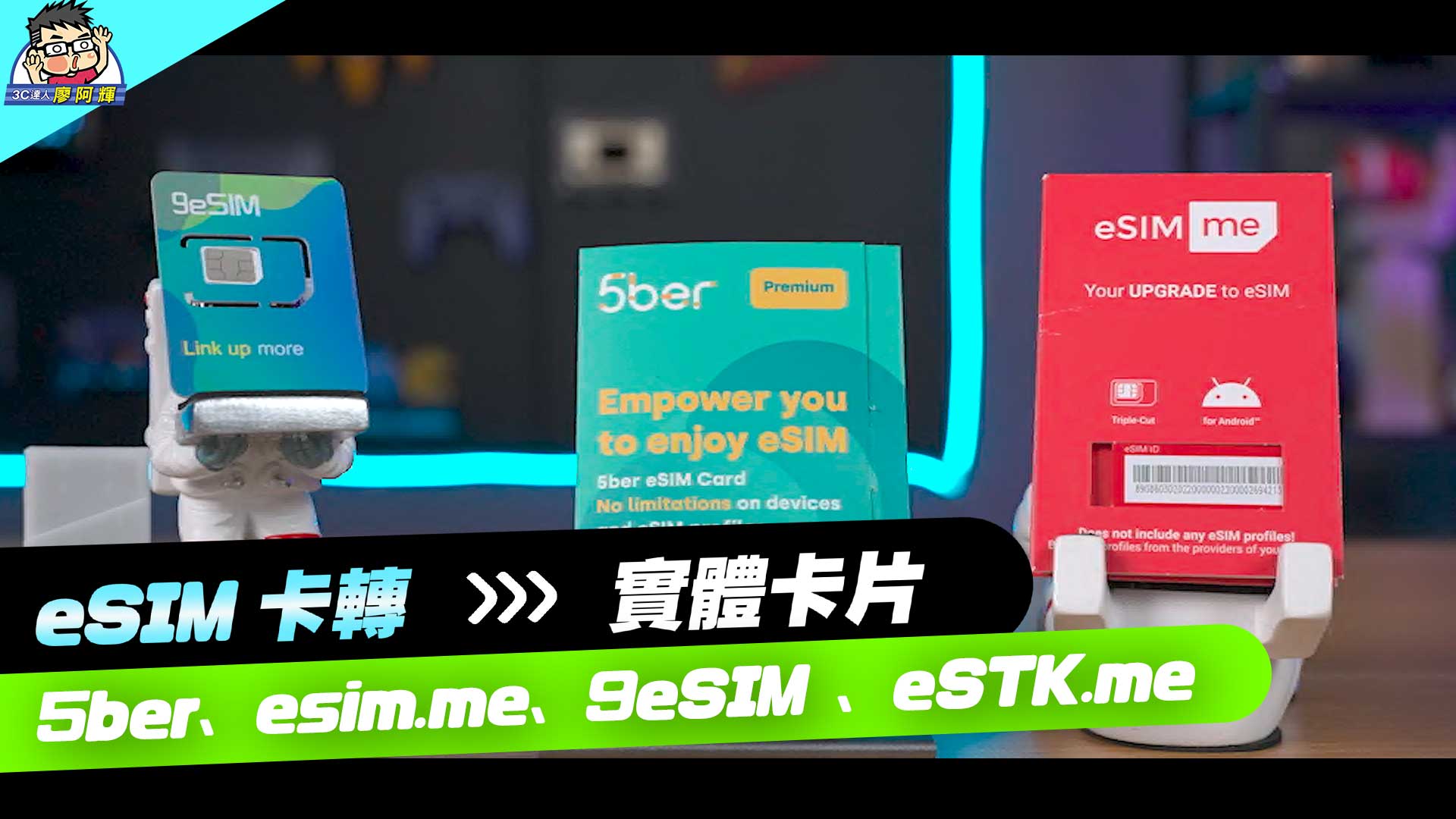
Dual SIM Tricks to Save More
Leverage dual SIM cost optimization by assigning your primary number to a free or ultra-low-cost eSIM for voice calls, while using a second eSIM with a targeted cheap data plan. Set your default data line to the cheaper data eSIM, and configure the other line for calls only to avoid accidental data roaming charges. For maximum savings, purchase a regional travel eSIM that covers multiple countries on one line, while keeping your home number active on the other for verification codes.
- Set one eSIM as the default for cellular data and keep the other for calls only.
- Disable data roaming on the call-only eSIM to avoid unintended charges.
- Use a short-term data eSIM for local browsing while keeping a low-cost talk & text eSIM active.
- For travel, install a single regional eSIM and deactivate your home SIM’s data completely.
Testing Coverage Before Committing
Before you commit to a cheap eSIM plan, test its coverage where you actually work, commute, and sleep. Download the carrier’s local coverage map, but also run a speed test at peak hours. Most providers offer a short risk-free trial window; activate it during a busy commute to check for dead zones. If data lags in your apartment, swap plans instantly. Don’t trust blanket signal claims — real-world eSIM coverage validation ensures you don’t waste cash on low-priced data that vanishes when you need it most.
Comparing Costs: eSIM vs Physical SIM vs Roaming
For budget-conscious travelers, cheap eSIM plans directly undercut traditional roaming, which often charges exorbitant daily fees for minimal data. A local physical SIM might seem cheaper upfront, but its cost is hidden in acquisition time and potential lock-in fees. Comparing costs reveals that eSIMs eliminate physical SIM shipping and store markups, while offering instant activation for often less than $10 for a week’s worth of data. Roaming remains the priciest option, with no competition to drive rates down. By choosing a cheap eSIM, you bypass the hidden premiums of roaming and the logistical costs of physical SIMs, securing the lowest total price for connectivity.
Why eSIM Often Comes Out Cheaper
eSIM plans undercut physical SIMs primarily by bypassing physical production, packaging, and retail distribution. This allows providers to offer drastically lower overhead pricing directly to you. Without a plastic card to ship, carriers can deliver instant digital activation, eliminating shipping fees and inventory costs. These savings are passed on as cheaper short-term or data-only plans, especially for travelers. Unlike roaming, which tacks on unpredictable daily surcharges from your home network, an eSIM locks you into a flat, local-market price with zero logistics cost. You pay only for the data, not for the plastic or the courier service.
Scenarios Where Physical SIM Still Wins
Physical SIMs still win for budget travelers visiting multiple nations with regional pass restrictions. A single physical SIM for multi-country travel often costs less than stacking separate cheap eSIM plans for each border crossing. You also avoid activating eSIMs in areas with unreliable mobile data—just swap the card. When traveling with a locked phone that lacks eSIM capability, a physical SIM is mandatory to access any cheap plan. Furthermore, older devices and some prepaid hotspots accept only physical SIMs, ensuring you can still use bargain regional packages.
Physical SIMs win where cheap eSIMs fail: multi-region passing, locked devices, unreliable data zones, and incompatible hardware.
Roaming Alternatives That Cost More
While cheap eSIM plans can slash your travel costs, roaming alternatives that cost more are still a trap to avoid. Paying your home carrier’s daily roaming fee (e.g., $10–$15/day) quickly adds up, making a cheap eSIM plan’s flat rate far better. A physical SIM from a local shop might also cost more if you’re hopping countries, needing a new card each time. Q: Are roaming passes always more expensive than cheap eSIM plans? A: Yes—for light data, a $5 eSIM beats a $60 weekly roaming fee every time.
Tips for Stretching Your Data Dollar
To stretch your data dollar with a cheap eSIM, first pair it with a local prepaid SIM for voice calls, reserving the eSIM exclusively for data on a secondary eSIM-compatible device. This prevents costly overage from bundled minutes you won’t use. Next, disable automatic app updates and background data for non-essential apps before installing the eSIM. Consider the actual cost per gigabyte for your typical usage, not just the plan’s base price, as some cheap eSIMs penalize heavy consumption with speed throttling that wastes your limited high-speed allowance. Finally, download offline maps and streaming content at home on Wi-Fi before activating the eSIM abroad.
Using Wi-Fi and eSIM Together
Using Wi-Fi and eSIM together is a core strategy for stretching your data dollar. By defaulting to trusted Wi-Fi networks for heavy tasks like streaming or updates, your eSIM only activates cellular data when Wi-Fi is unavailable. Configure your phone to enable intelligent Wi-Fi failover, so the eSIM handles minimal background data. For cheap eSIM plans with limited high-speed data, this reserved cellular allowance lasts significantly longer. Q: Does my eSIM use data if Wi-Fi is connected and working? In most devices, the eSIM will not use cellular data for applications using a stable Wi-Fi connection, provided your settings disable “Wi-Fi assist” or similar data-hopping features.
Turning Off Background App Usage
Turning off background app usage is a critical tactic for stretching your Japan eSIM cheap eSIM plan’s data. Many apps silently refresh content when idle, consuming megabytes without your knowledge. To prevent this, navigate to your phone’s settings and disable background data for non-essential apps like social media or streaming services. This ensures your limited gigs only activate while you are actively using an app. Background app data control can extend your plan’s life significantly, particularly on pay-as-you-go or low-capacity eSIMs.
Q: Does turning off background usage affect notifications?
A: Yes, some app notifications may stop updating until you open the app, but core messaging (SMS, calls) remains unaffected.
Choosing Smaller Data Allowances Wisely
When scoping out cheap eSIM plans, choosing smaller data allowances wisely means honestly tracking your typical usage—do you mostly rely on WiFi for streaming, only needing maps and messaging on the go? A 1GB or 3GB plan often covers a short trip or a light user perfectly, saving you from paying for bulk gigabytes you won’t touch. Just audit your habits for a few days: avoid the trap of a “just in case” larger bundle if your daily consumption is under 200MB. That lean approach lets your data dollar stretch further without leaving you stranded.
Future Trends in Thrifty Mobile Connectivity
The future of thrifty mobile connectivity lies in hyper-local, on-demand cheap eSIM plans that adapt to your immediate location. Instead of one global plan, you’ll stack micro-plans—like a 1-day pass for a city or a data-only slice for navigation—automatically switching to the cheapest carrier as you cross borders.
Think of your eSIM as a marketplace where plans bid for your connection in real-time, ensuring you always pay the rock-bottom rate for exactly what you use.
This means no wasted credit for unused data and no surprise roaming fees, just a seamless economy that makes connectivity feel truly disposable and affordable.
Expanding Competition Driving Prices Down
More providers enter the eSIM market each month, directly forcing prices lower as they compete for your business. You benefit from aggressive pricing battles which make it cheaper to switch between carriers for better rates. Data-only travel plans now cost less because no single company can dominate, letting you secure affordable connectivity without long contracts. This rivalry ensures you pay less for temporary or budget-friendly data access while still getting reliable network coverage. Your savings come from carriers constantly undercutting each other, not from industry shifts. Ultimately, expanding competition works to your advantage by making premium eSIM features accessible at increasingly thrifty prices.
New Bundles Targeting Frequent Flyers
New bundles targeting frequent flyers now offer tiered flight-pass data, where each purchased eSIM plan unlocks discounted add-ons for your next destination. You pay only for the countries you actually visit, not a global blanket. Crucially, unused regional data rolls over into your next trip’s quota rather than expiring. These bundles also prioritize dual-network switching—automatically connecting you to the cheapest local carrier in each airport you transit through.
- Automatic activation upon landing avoids roaming setup fees.
- Loyalty bonuses reduce per-gigabyte costs for repeat subscribers.
- Multi-leg itineraries are covered with a single purchase code.
eSIM-Only Carriers Emerging Globally
Travelers seeking cheap eSIM plans increasingly turn to emerging eSIM-only carriers like Airalo, Holafly, and BNESIM. These providers slash costs by avoiding physical SIM logistics, often offering local or regional data packs for under $10. To activate a plan:
- Download the carrier’s app and create an account.
- Choose a destination-specific or global data package.
- Install the eSIM profile directly via the app before departure.
Many eSIM-only carriers let users top up or switch plans without swapping physical cards. For budget-conscious roamers, eSIM-only carrier flexibility eliminates roaming fees entirely, with plans starting at fractions of traditional mobile operators’ rates.
What Exactly Makes an eSIM Plan “Cheap” Without Sacrificing Quality
How Data-Only Plans Slash Costs Compared to Traditional SIMs
Why Regional eSIM Bundles Offer Better Value Than Global Passes
How to Identify the Hidden Fees in Budget-Friendly eSIM Options
Reading the Fine Print on Data Speeds and Throttling Policies
Distinguishing One-Time Travel Packs from Monthly Subscription Savings
Step-by-Step Guide to Activating a Low-Cost eSIM on Your Phone
Checking Device Compatibility Without Wasting Money on the Wrong Plan
Installing and Switching Between Multiple Cheap eSIM Profiles
Top Features to Look for When Comparing Affordable Data Plans
Why Coverage in Your Destination Matters More Than Gigabyte Count
The Advantage of Rollover Data in Entry-Level eSIM Subscriptions
Common Mistakes Users Make When Choosing a Budget eSIM Provider
Overlooking Top-Up Options That Keep Your Plan Affordable During Extended Trips
Choosing a Plan With Too Much Data When a Smaller Tier Saves More
