
Uncategorized
What Makes a Digital SIM Essential for Modern Travelers
Why Travelers Are Switching to eSIM for International Roaming
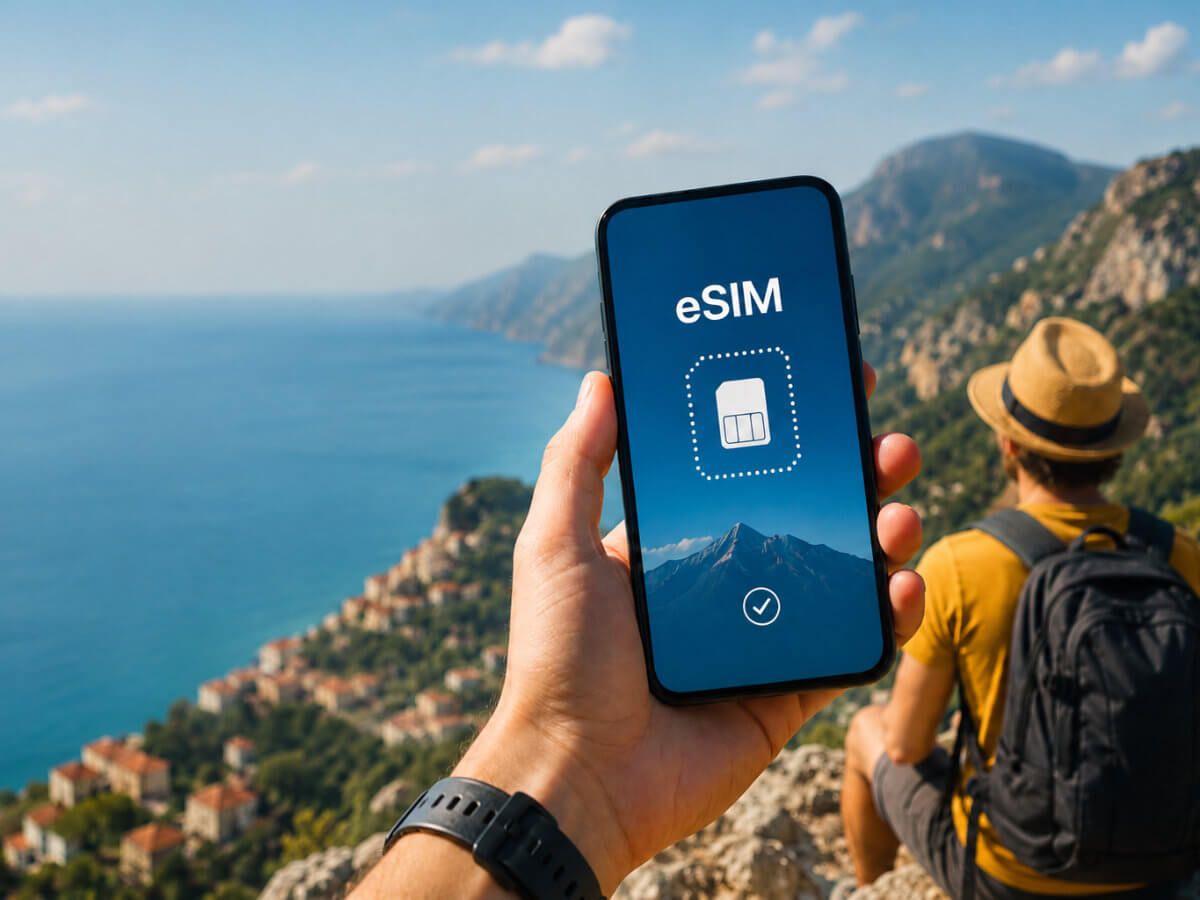
You can buy and activate a travel eSIM before your trip even takes off, meaning you’re connected the second you land. It’s a tiny digital chip built into newer phones that lets you download a local data plan without swapping out your physical SIM card. Forget hunting for airport Wi-Fi or fumbling with tiny SIM trays—you just scan a QR code, pick a plan, and roam like a local instantly. This simplicity makes it a game-changer for staying online without the hassle.
What Makes a Digital SIM Essential for Modern Travelers
A digital SIM is essential for modern travelers because it eliminates the need for physical SIM cards or local SIM hunting upon arrival. Instant connectivity is the core advantage, allowing you to purchase, install, and activate a data plan before departure. This ensures you have mobile service the moment you land, bypassing airport kiosks and international roaming fees.
The key practical insight is that a single eSIM profile can hold multiple travel plans, enabling seamless switching between regional data packages without swapping cards.
For a multi-country trip, this means one phone, one setup, and zero downtime—critical for receiving maps, ride-share confirmations, and real-time itinerary updates from the first step off the plane.
How embedded SIM technology eliminates roaming fees
Embedded SIM technology eliminates roaming fees by letting you instantly switch to a local network without needing a physical SIM. Upon landing, you download a local data plan directly onto your device, bypassing your home carrier’s expensive international tariffs. This instant local network connection ensures you are charged at local rates, not premium roaming costs. Because the eSIM stores multiple profiles, you can pre-purchase regional or country-specific plans before your trip, locking in cheaper prices and avoiding costly daily roaming charges.
- Removes the need to swap physical SIMs, avoiding carrier identification that triggers roaming fees.
- Allows real-time plan activation and deletion, so you only pay for data when and where you use it.
- Enables use of multiple local or regional plans simultaneously, sidestepping multinational roaming agreements.

The shift from plastic SIM cards to instant connectivity
The shift from plastic SIM cards to instant connectivity eliminates physical procurement delays, such as hunting for local vendors or queuing at airport kiosks. Travelers now activate a digital SIM profile within minutes via a QR scan or app download, bypassing the logistics of swapping nano-SIMs. This transition removes the risk of losing a tiny card or damaging a slot during transfers. Instead of pre-ordering physical cards with limited validity, users toggle between regional plans on the fly, gaining connectivity as soon as they land. The permanent plastic component vanishes, replaced by a reprogrammable chip embedded in the device, enabling immediate network access without hardware dependency.
Choosing the Right Global Data Plan for Your Trip
Choosing the right global data plan for your trip requires matching your itinerary to an eSIM’s coverage map, not just its advertised “global” tag. For multi-country travel, prioritize a regional or worldwide plan that bundles your destinations, as per-country eSIMs can be costlier and require multiple installations. Evaluate your data usage realistically—light users (maps, messaging) can opt for a 1GB plan, while streamers need at least 5GB. Check if the plan offers tethering or hotspot functionality, which some budget eSIMs restrict, especially for remote work. Finally, activate the eSIM just before departure to prevent premature timer starts, and confirm your phone is eSIM-compatible and unlocked. This precision avoids dead zones and overpaying.
Regional bundles vs. single-country data packages
Choosing between regional bundles and single-country data packages hinges on your itinerary. A regional bundle covers multiple countries (e.g., all of Europe or Asia), offering seamless connectivity as you cross borders without needing to reinstall eSIMs. This is ideal for multi-country trips but may cost more per gigabyte than a dedicated single-country plan. Conversely, single-country packages are cheaper for deep dives into one nation, providing better value and local network optimization. For a week in one city, a single-country plan is efficient; for a tour of three nations, a regional eSIM bundle prevents service disruption. Q: When should I choose a regional bundle over single-country packages? A: When your trip involves crossing at least two borders, as regional plans eliminate manual switching and often total cheaper than buying separate eSIMs for each country.
Comparing prepaid, pay-as-you-go, and unlimited options
When comparing prepaid, pay-as-you-go, and unlimited options for travel eSIMs, your choice hinges on data volume and trip length. Prepaid packages offer a fixed data cap (e.g., 5GB) for a set period, ideal for short, predictable trips. Pay-as-you-go plans allow top-ups as needed, suiting variable usage or longer stays without upfront commitment. Unlimited plans, though capped by fair-use policies after heavy usage, provide peace of mind for constant streaming or navigation. Data capacity versus flexibility is the core trade-off: prepaid locks you to a cap, pay-as-you-go offers control, and unlimited prioritizes continuous access.
Select prepaid for fixed-budget short trips, pay-as-you-go for adapting to changing needs, and unlimited for uninterrupted heavy data use while traveling.
Step-by-Step Activation Process Before You Depart
To ensure seamless connectivity upon arrival, complete your eSIM activation process before departure. First, purchase your travel plan from a provider’s app or website and receive your eSIM profile via QR code or manual input. Install this profile while connected to Wi-Fi to avoid data gaps. Next, enable the eSIM line in your phone’s cellular settings, designating it for data. Test basic connectivity and set your primary SIM for voice as needed. Finally, restart your device to lock in configurations. This pre-departure routine eliminates in-the-moment setup stress, guaranteeing instant data access the moment you land.
Compatible devices and how to check your phone
Before you depart, confirm your phone is unlocked and accepts an eSIM. Most recent models from Apple, Google, and Samsung are compatible. To check your phone, dial *#06#; if an EID number appears, your device supports eSIM. Alternatively, navigate to Settings > About Phone and look for an “EID” entry. Verifying eSIM compatibility now prevents activation issues abroad.
Q: How do I check if my specific phone model works with travel eSIMs? A: Visit your manufacturer’s official specs page, search your model, and confirm “eSIM support” is listed. Third-party tools like “IMEI.info” also provide a instant compatibility check.
Installing a profile using a QR code or app download
Once you buy your plan, you’ll get a QR code or a direct link to download the eSIM app. Just open your phone’s settings, tap “Add Cellular Plan,” and scan that code. If you used an app, it often installs the profile automatically after payment. Scanning the QR code activates the eSIM instantly, but keep your original SIM in for backup calls. What if the QR code won’t scan? Most providers let you enter the code manually or tap a link in your email—super simple fix.
Top Providers Worth Considering in 2025
For travel in 2025, top eSIM providers simplify connectivity. Airalo remains a solid choice for global coverage, offering affordable regional plans you activate instantly upon landing. Holafly excels with unlimited data options, ideal for heavy users streaming maps or video calls overseas. For multi-country trips across Europe or Asia, Ubigi provides strong speeds and seamless network switching without manual reconfiguration. Professionals should consider Maya Mobile for premium carrier partnerships ensuring stable connections in remote areas. Each provider offers a dedicated app for top-ups and plan management, eliminating physical SIM swaps. Prioritize eSIM-compatible devices and verify that your chosen plan includes hotspot tethering if needed.
Airalo, Holafly, and other trusted brands compared
In comparing Airalo, Holafly, and other trusted brands like Nomad or GigSky, Airalo often offers the widest range of affordable regional and global plans, while Holafly specializes in unlimited data for travelers who prioritize constant connectivity. Other trusted brands, such as Nomad, compete on price for specific destinations, and GigSky provides reliable coverage but at a higher cost. Users should compare eSIM provider pricing per gigabyte for their destination, as Holafly’s unlimited plans may cost more than Airalo’s metered options for light users, and Nomad often bundles free data bonuses.
Niche options for frequent flyers and digital nomads
For frequent flyers and digital nomads, niche eSIM providers like Airalo’s multi-region passes offer practical advantages, often bundling data across entire continents rather than single countries. Roamless provides a pay-as-you-go model with funds that never expire, ideal for irregular travel patterns. Airalo’s country-specific packages, meanwhile, allow precise data allocation per destination. Avoiding automatic plan rollovers, these providers instead favor user-controlled data purchases to prevent waste. For true digital nomads needing multi-country coverage, Roamless offers stronger flexibility, while Airalo suits those with pre-planned stays. Compare options below:
| Provider | Key Niche Feature | Best For |
|---|---|---|
| Roamless | Non-expiring credit | Unpredictable travel schedules |
| Airalo | Regional & country-specific passes | Fixed itineraries or single destinations |

Managing Multiple Lines on One Device
With an eSIM for travel, managing multiple lines on one device is incredibly straightforward. You can keep your primary home number active for calls and texts to receive bank codes or family messages, while adding a local travel eSIM solely for data. Instead of juggling physical SIMs, you simply label each line in your phone’s settings, like “Home” and “Spain Trip.” A key benefit is that you can seamlessly switch between active lines for data without rebooting, keeping your travel line as the default for internet while your home line remains on standby. Just remember to turn off data roaming on your home line to avoid accidental charges, and you’ve got a clean, low-hassle setup for your trip.
Keeping your home number active via dual SIM mode
When traveling, keeping your home number active via dual SIM mode ensures you never miss vital SMS two-factor authentication codes or calls from your bank and family. Your physical or primary eSIM stays online for incoming texts and calls, while a separate travel eSIM handles all your data needs. This setup prevents the hassle of swapping cards or informing contacts of a temporary number. Simply set your home line for voice and SMS, and designate the travel eSIM for mobile data. You remain reachable without paying expensive roaming fees for data, maintaining seamless connectivity between your home identity and your travel adventures.
Dual SIM mode keeps your home number active for essential calls and texts while a travel eSIM provides affordable data, eliminating roaming fees and the need to swap cards.
Switching between data profiles without swapping cards
Switching between data profiles without swapping cards is the defining convenience of eSIM travel. You can instantly toggle between your home carrier and a local travel eSIM directly in phone settings, eliminating the hunt for a SIM ejector tool or the risk of losing your physical card. This process typically involves a quick sequence: first, ensure both profiles are installed, then navigate to Cellular settings and tap the line you want to activate. Instant profile toggling saves critical time upon arrival. For seamless connectivity, follow these steps:
- In Settings, select your active travel line.
- Set it as the primary for cellular data.
- Disable the other line or keep it for calls only.
Hidden Costs and Common Pitfalls to Avoid
When using an eSIM for travel, the hidden trap is often the “validity clock.” Many plans start counting your 7, 15, or 30 days from the moment of installation, not from when you land, so installing even a week early quietly burns half your allowance. Another common pitfall is data throttling: you might buy 10GB, but once you hit a “fair use” limit—sometimes as low as 500MB per day—your speed drops to unusable 2G without warning.
Always check if your plan has a “unlimited” cap that turns to dial-up speed, and never activate an eSIM until your departure gate is closing.
Finally, avoid providers that charge extra for tethering or exclude specific countries listed in your region pack—those are the sneakiest add-on fees that travelers miss.
Data throttling, expiry dates, and top-up traps
After purchasing an eSIM, hidden costs from data throttling, expiry dates, and top-up traps can drain your travel budget. Throttling often kicks in silently after a high-speed data cap, turning video calls into buffering nightmares. Expiry dates are rigid; a 7-day plan expires exactly at midnight, even if you bought it at 11 PM, wasting a day. Top-up traps lure you with cheap add-ons that reset your countdown clock or require buying an entirely new plan to combine remaining data.
- Check if “unlimited” plans have a fair-use threshold before slowdowns.
- Note activation time vs. calendar-day expiry to avoid paying for dead hours.
- Verify whether top-ups extend your existing expiry or force a fresh plan purchase.
Network coverage gaps in remote or rural destinations
Relying on an eSIM in remote or rural destinations often reveals a hidden cost: patchy local network partnerships. Your eSIM’s coverage is only as strong as its provider’s local roaming agreements, which can vanish in mountainous terrain or isolated villages. This leaves you unexpectedly offline when you need navigation or emergency contact. Before you travel, check a coverage map specific to your eSIM plan, not generic carrier claims.
What should I do if my eSIM shows full signal but I still have no data in a rural area? That dead zone likely means your eSIM’s host network has no local roaming tie-in there. Manually switch to a different available network in your phone’s settings—if your eSIM supports multiple local carriers—or accept the gap as a limitation of budget plans.
Real-Life Scenarios: When a Digital SIM Becomes a Lifesaver
Your flight lands at 2 AM in a foreign city, and the airport Wi-Fi requires a local number to connect. Your physical SIM is useless, and every kiosk is closed. You activate an eSIM in seconds, and maps guide you to a 24-hour taxi stand, avoiding a cold night on a bench. Days later, your wallet is stolen in a crowded market. Without a physical SIM to swap, your phone stays connected. You instantly call your embassy and freeze your cards via banking apps, while travel eSIM data keeps you online for emergency chats with your family. On a remote hiking trail, your physical SIM loses signal, but a local digital SIM from a regional carrier—bought and installed before the trek—pulls up the trail map. That single connection guides you back to the ranger station just before dusk.
Navigating foreign cities with instant maps and rideshares
Navigating foreign cities with instant maps and rideshares becomes seamless when your eSIM provides immediate data upon landing. You can open Google Maps or Citymapper without searching for airport Wi-Fi, enabling real-time transit routing. For rideshares like Uber or Bolt, the eSIM allows you to pinpoint your exact pickup location and track the driver’s approach, avoiding common miscommunication. A logical sequence for a smooth arrival includes:
- Activate your eSIM pre-departure or upon touchdown.
- Open your map app to plot the route to your accommodation.
- Hail a rideshare using your live location pin.
- Share your trip status with a contact via messaging.
This direct connectivity ensures you never lose your way or waste time, making instant map and rideshare synchronization a critical safety net in unfamiliar terrain.
Maintaining business communications across time zones
When your workday overlaps with a colleague in Tokyo at 3 AM local time, an eSIM keeps you online without hunting for café Wi-Fi. You can instantly shift between schedules—answering a Singapore client’s Slack message during your layover in Dubai, then hopping on a Teams call to London while your plane taxis. Asynchronous collaboration becomes seamless: you update shared docs on the bus, reply to late-night emails from your hotel room, and set calendar holds across zones using your active data. No swapping physical SIMs, no roaming delays—just steady connectivity to bridge every time gap.
- Use an eSIM to stay on your work Slack or Teams during layovers and late nights.
- Schedule China eSIM messages or emails to send during colleagues’ office hours while you’re offline for sleep.
- Keep a secondary number active for time-zone-sensitive calls without switching devices.
Security Tips for Using Remote Connectivity Abroad
When using an eSIM for travel, never connect to unknown or public Wi-Fi networks for remote work, as your eSIM’s cellular data is inherently more secure. Always verify that your eSIM provider supports end-to-end encryption for data in transit, and disable auto-connect features for any secondary networks to prevent inadvertent exposure. For sensitive logins, use a trusted VPN layered over your eSIM connection—even though the eSIM itself is encrypted, this adds a necessary buffer against local carrier surveillance. Especially avoid using cellular-based SMS for two-factor authentication codes, as these can be intercepted through SS7 vulnerabilities while roaming. Regularly audit your eSIM’s data usage dashboard for anomalous activity, and remove the remote profile immediately after returning home to close any lingering access vectors.
Avoiding public Wi-Fi risks with a dedicated line
A dedicated line, provided by an eSIM, eliminates the need to connect to untrusted public Wi-Fi networks, which are prime vectors for data interception and man-in-the-middle attacks. By using your own private cellular data connection, you avoid broadcasting sensitive information over insecure hotel or café hotspots. This approach ensures that all traffic—from logins to bank transactions—routes through an encrypted, direct link to your carrier, nullifying the risks of rogue access points. For secure travel, eSIMs for travel offer the most reliable method to maintain a private, dedicated line abroad.
Using VPNs alongside your embedded profile
Layer a VPN over your eSIM’s data tunnel to encrypt all traffic bound for your embedded profile. This prevents local ISPs and hotel Wi-Fi operators from inspecting your sessions. VPN-eSIM pairing masks your real IP behind the VPN server’s address, while the eSIM handles roaming authentication. Ensure the VPN protocol (e.g., WireGuard) launches immediately after the eSIM connects. Split-tunneling is useful: route only sensitive apps (banking, messaging) through the VPN and let general browsing use the eSIM’s direct route to reduce latency. Do not double-hop—VPN over your home-bound tunnel already suffices.
Future Trends in International Roaming
As you step off the plane in Marrakech, your phone instantly snaps onto a local network with automatic eSIM activation, a future trend where roaming profiles pre-load before you leave home. Instead of fiddling with plastic SIM trays, your travel will see real-time data plans that switch between carriers seamlessly as you cross borders from a café in Barcelona to a train to Lyon. No more searching for Wi-Fi codes; your eSIM will intelligently beam multi-network roaming straight to your device, letting you stream a map down a winding alley without buffering. This shift means you’ll never pay per megabyte again, but instead enjoy flat-rate global passes that feel as natural as breathing in a foreign city.
eSIM-only smartphones and global carrier partnerships

eSIM-only smartphones, which lack a physical SIM slot, global carrier partnerships become the sole means of cellular connectivity for travelers. These handsets depend entirely on pre-negotiated agreements between manufacturers and multiple network operators worldwide. When roaming, the device automatically selects partner networks based on preloaded profiles, eliminating manual SIM swaps. Users benefit from seamless activation: a traveler landing in a new country can purchase and download a data plan directly from their smartphone’s settings, leveraging the carrier’s roaming partnership. This architecture also enables switching between local providers without hardware changes, as long as the phone’s manufacturer maintains active pacts with those operators.
eSIM-only smartphones rely on global carrier partnerships to provide automatic network selection and instant plan downloads, removing physical SIM dependence while roaming.
Integration with travel apps and real-time billing
The future of eSIM for travel is defined by deeper integration with travel apps and real-time billing. Users will book a data plan directly within their flight or hotel app, with the eSIM profile automatically pushed to their device upon arrival. Real-time billing provides an immediate dashboard in the same app, showing live data consumption in megabytes and the expected cost, eliminating bill shock. If the user is about to exceed their plan, the app can trigger an automatic top-up using a stored payment method, with the charge appearing instantly. This creates a seamless, transparent cycle where connectivity is managed and paid for within the existing travel workflow.
What Makes a Travel eSIM Different From a Physical SIM Card
No plastic card swapping needed
Activation before you even leave home
Multiple plans on a single device
How to Set Up a Digital SIM for Your Next Trip
Checking your phone’s compatibility
Scanning a QR code or installing an app

Managing dual SIMs for local and travel numbers
Key Benefits of Using a Data-Only Travel Profile
Instant connectivity upon arrival
No hidden roaming charges
Keeping your home number active for calls and texts
What to Look for When Picking a Travel Connectivity Plan
Coverage network vs. download speeds
Data caps, top-up options, and validity periods
Regional vs. global packages for multi-country trips
Common User Questions About Temporary International eSIMs
Can I keep my WhatsApp number with an eSIM?
What happens to my home carrier while roaming?
How to troubleshoot if my data doesn’t work
